

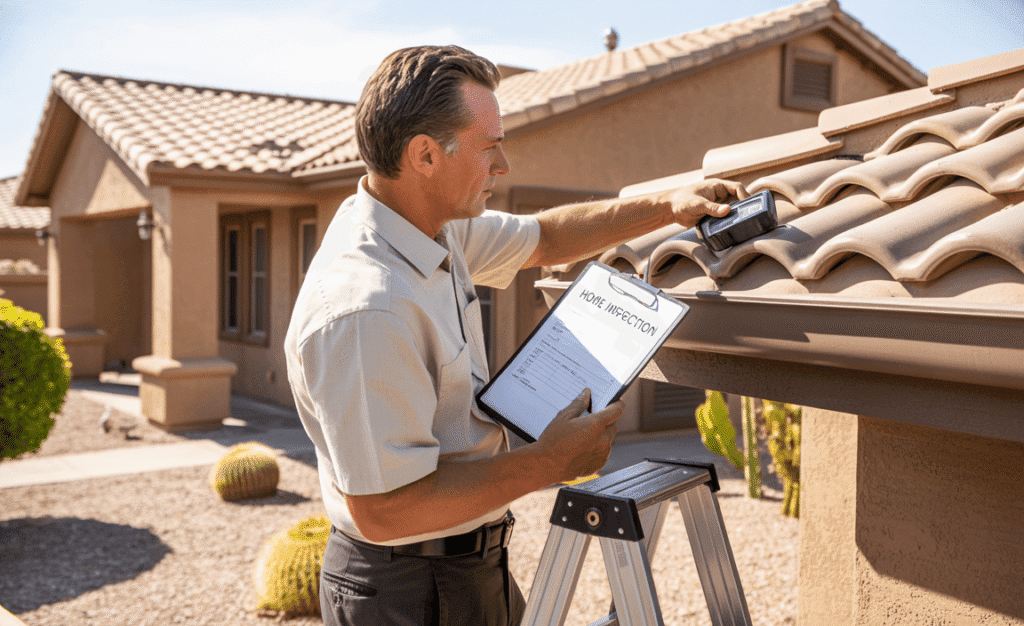
Chandler, AZ Home Inspection FAQ
Local answers from Inspections Over Coffee—built for Arizona’s desert climate and Chandler’s housing mix.
Book a Chandler Home InspectionWhat Is the Biggest Red Flag in a Home Inspection in Chandler, AZ?
Common Chandler red flags: foundation movement, sun-baked roof damage, and outdated electrical. Desert realities—water intrusion, termites, and stucco cracking—also rank high and can affect safety and value.
How Much Is a House Inspection in Chandler, AZ?
Typically $300–$500 based on size/age. Larger homes and properties with pools trend higher. A pro inspection can prevent far costlier surprises later.
Are Home Inspectors Worth It in Chandler, AZ?
Yes. Local inspectors know AZ issues like UV roof wear, heat-strained HVAC, and termite activity. A thorough report aids negotiation and avoids post-closing expenses.
What Are the 4 Types of Home Inspection in Chandler, AZ?
General home, termite (WDIIR), roof, and pool/spa. Many buyers also add sewer scopes, mold, or air-quality checks depending on age and condition.
How Much Does an 11-Month Home Inspection Cost in Chandler, AZ?
Usually $250–$400. Ideal for new-build owners to catch workmanship issues and warranty items before year one expires.
Can I Negotiate After a Home Inspection in Chandler, AZ?
Yes. Significant findings (roof, HVAC, plumbing leaks) can justify repair requests, credits, or a price reduction during your inspection contingency.
What Happens if a Home Fails Inspection in Chandler, AZ?
Inspections aren’t pass/fail, but serious issues—cracked tile roofs, aging HVAC, termites—may lead to renegotiation, seller concessions, or canceling under contingency.
Are Home Inspections Required in Chandler, AZ?
Not by law or lenders, but skipping one is risky. With a mix of older and new homes, professional inspections protect your investment.
When Should You Walk Away After a Home Inspection in Chandler, AZ?
Consider walking if major structural, foundation, roof, or electrical hazards appear and the seller won’t address them or offer concessions.
Can a Seller Deny a Home Inspection in Chandler, AZ?
They can, but it’s rare and a red flag. Most buyers won’t proceed without an inspection.
Can I Do My Own Home Inspection in Chandler, AZ?
You can walk through, but it’s not recommended. Licensed pros have tools/training to find hidden issues like roof leaks, faulty wiring, or termites.
Can a Seller Say No to Repairs in Chandler, AZ?
Yes. If the seller refuses, buyers can renegotiate or walk away within contingency. Outcomes depend on market conditions and motivation.
Is It Better to Ask for Closing Costs or a Lower Price in Chandler, AZ?
Depends on your finances: credits reduce upfront cash; price reductions lower loan and monthly payment. Your agent can model the impact.
Do Sellers Have to Fix Everything on Home Inspections in Chandler, AZ?
No. Focus typically lands on health/safety and major systems (roof, HVAC, electrical). Cosmetic items are usually buyer responsibility.
What Are Common Home Inspection Fails in Chandler, AZ?
UV-worn roofs, HVAC problems, termite damage, foundation cracks, and electrical defects. Pool equipment issues are also frequent.
What’s Not Included in a Home Inspection in Chandler, AZ?
Standard inspections exclude septic, wells, mold testing, asbestos, and pests. Sewer scopes, air quality, and termite inspections are add-ons.
What Is a Good Home Inspection Report in Chandler, AZ?
Clear, photo-rich, and organized by system with safety callouts and actionable recommendations for repairs and maintenance.
What If I Can’t Afford Closing Costs in Chandler, AZ?
Ask about seller concessions, lender credits, and AZ assistance programs for down payment/closing cost help (subject to eligibility).
How Much Are Closing Costs on a $500k House in Chandler, AZ?
Roughly 2%–5% of price: about $10,000–$25,000, varying by loan type, lender/title fees, and escrow services.
Can a Seller Pay for Repairs at Closing in Chandler, AZ?
Yes—via seller credits or a price reduction, allowing you to handle repairs after move-in when timing or contractor access is tight.