

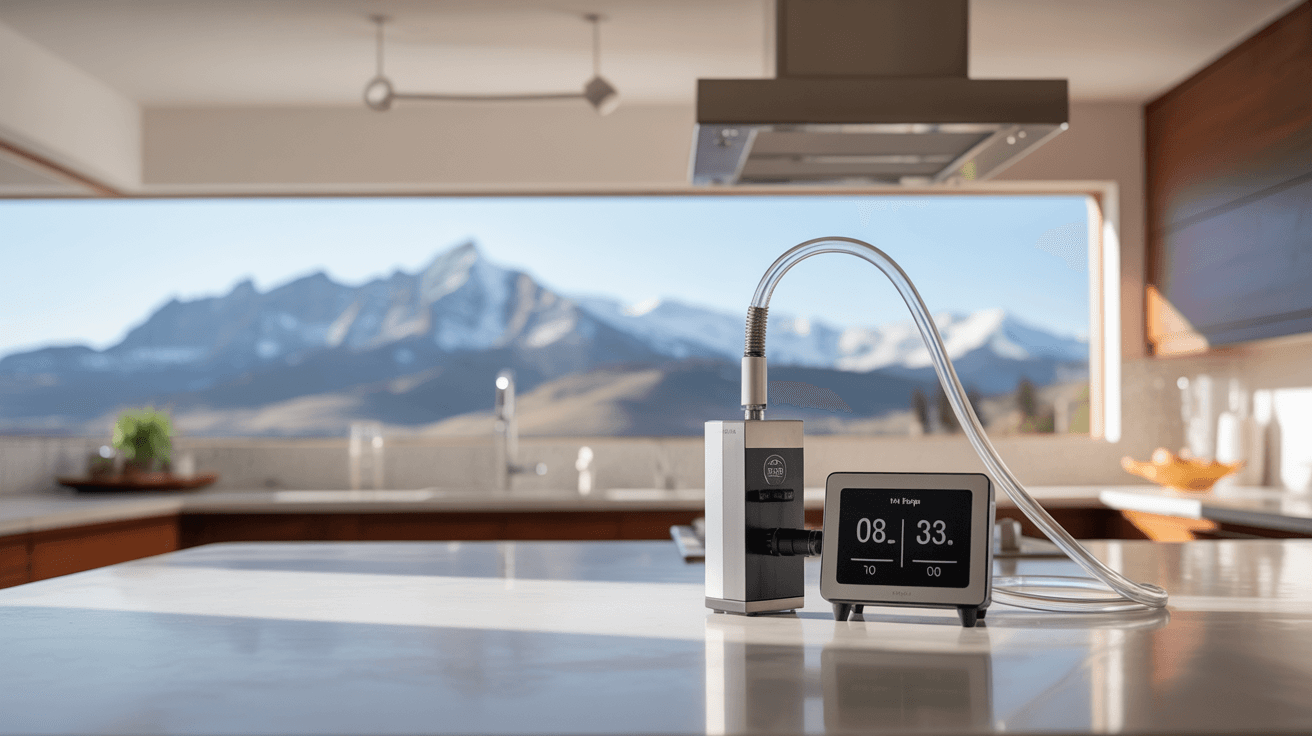
Indoor Air Quality Testing in Boulder That Helps You Breathe Easier
TL;DR – Quick Summary
- Boulder’s indoor air can be more polluted than outdoors—mold, VOCs, allergens, and radon are common issues
- We test with lab-backed samples and on-site sensors for real accuracy
- Reports are plain-English, with practical next steps
- Skip to booking info
Why Boulder Residents Search for 'Indoor Air Quality Testing'
Boulder is famous for clean mountain air—but inside, it’s a different story. A tightly sealed condo in East Boulder or a historic home near Chautauqua can trap pollutants that make indoor air worse than what’s outside. Mold spores, VOCs from finishes, radon, allergens, and even off-gassing building materials all show up more often than you’d think.
Our indoor air quality (IAQ) testing identifies hidden issues and points you toward real solutions—whether at home, in the home-based office, or between tenants.
Why Choose Our IAQ Testing Service
We keep it science-first and panic-free. Whether you’re dealing with unexplained health symptoms, past water damage, or just want peace of mind, we tailor our testing to your needs—not a one-size-fits-all script.
- Custom Panels: Mold spores, VOCs, CO₂, carbon monoxide, particulates (PM2.5/PM10), and more
- Lab & On-Site Data: Accredited labs process air samples, and we use real-time meters during testing
- Clear Results: Reports highlight what’s high, what’s normal, and what to do next
IAQ testing often works alongside our environmental consulting services like mold, radon, and lead paint screening.
Our Approach
Think of IAQ testing as a wellness check-up for your property. We start with a walkthrough, check HVAC systems and moisture-prone spots, then deploy air sampling and sensors to measure what you’re actually breathing.
- VOC meters for off-gassing detection
- Humidity and temperature sensors for mold risk
- Spore trap samples for mold and allergens
- CO and CO₂ monitors for safety and ventilation
How Much Does It Cost?
Pricing varies depending on how many areas we test and which pollutants you want screened. A mold-only air sample is less than a full IAQ panel. Here’s a guide:
| Package | Includes | Estimated Range |
|---|---|---|
| Basic IAQ | Mold spores + humidity/ventilation review | $275–$375 |
| Standard IAQ | Mold, VOCs, particulates, CO/CO₂ | $400–$600 |
| Comprehensive Panel | Full IAQ + radon or advanced VOCs | Custom Quote |
Bundled pricing available with radon, mold, or whole-home inspections.
Areas We Serve in Boulder
- East Boulder: Modern, airtight buildings often trap VOCs and new-material off-gassing
- North Boulder: Older insulation and crawlspaces can push up spore and particulate counts
- Gunbarrel: Multi-tenant spaces share HVAC—problems can spread between units
- Table Mesa: Basements and older ventilation systems often drive hidden mold issues
- Downtown Boulder: Historic and mixed-use buildings combine low ventilation with high pollutant risk
Get Started Today
Whether you’re investigating health symptoms, managing a property, or just being proactive, indoor air quality testing gives you clarity—and often peace of mind. Let’s find out what’s in your air and how to make it healthier.
Schedule Your Free Consultation
Frequently Asked Questions
What are VOCs and why should I test for them?
VOCs (volatile organic compounds) are gases emitted by paints, furniture, flooring, and cleaning products. They can cause headaches, fatigue, and long-term respiratory issues.
How do you test for mold in the air?
We use spore trap cassettes that collect airborne mold spores over a set period. The samples are then analyzed at a lab to determine spore type and concentration.
Can poor air quality cause health problems?
Yes—especially in vulnerable populations. Headaches, fatigue, allergies, asthma, and sinus irritation can all be linked to poor IAQ.
Is indoor air testing worth it if I don’t smell anything?
Absolutely. Many indoor pollutants are odorless, including radon, carbon monoxide, and some VOCs. Testing is the only way to know what you’re dealing with.