

Powering Up Safety: What You Need to Know About Electrical System Inspections
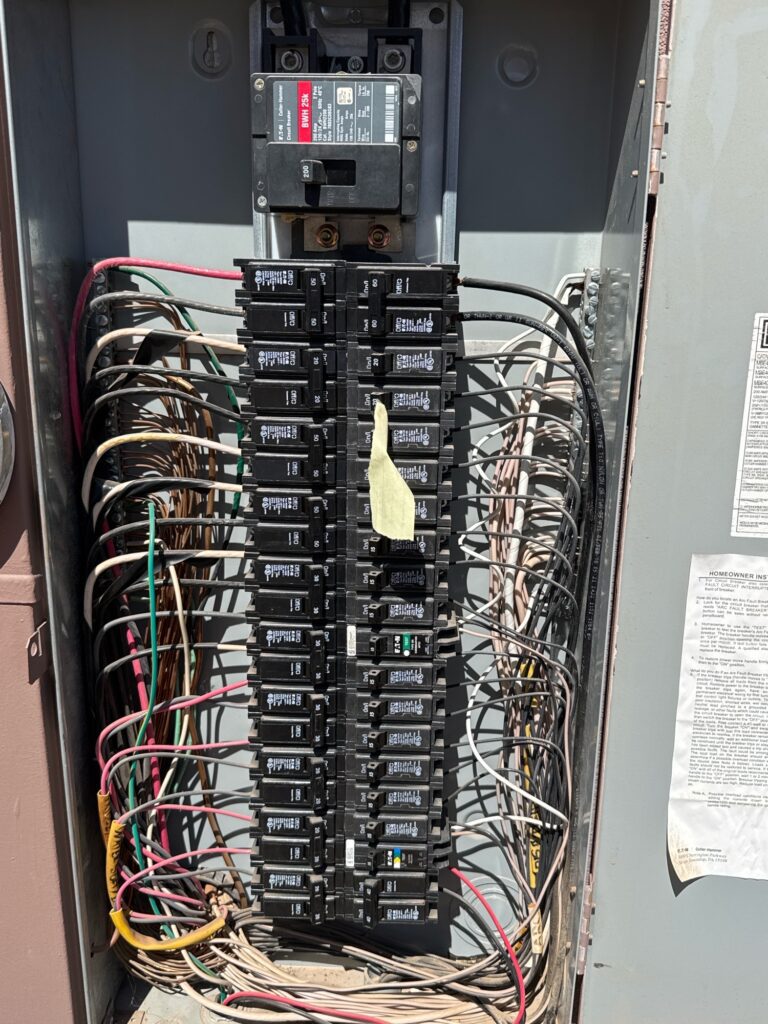
The Importance of Electrical System Inspections in New Construction Homes
Investing in a newly built home is an exciting milestone, filled with the promise of cutting-edge design, modern amenities, and energy-efficient systems. However, just because everything is new doesn’t mean everything is flawless. One of the most critical parts of the inspection process is the evaluation of the home’s electrical system. Ensuring your electrical infrastructure is safe, compliant, and properly installed is essential for long-term performance and peace of mind.
1. Uncovering Hidden Electrical Issues
Even in new builds, electrical issues can arise due to human error, rushed installations, or oversight during construction. Electrical inspections reveal faulty wiring, overloaded circuits, or improper grounding—issues that could otherwise go unnoticed until they cause damage or safety hazards.
2. Code Compliance Verification
Licensed inspectors are trained in local and national electrical codes. They ensure that the wiring, panel configuration, outlet placement, and other components meet safety and performance standards. Code compliance is especially important for obtaining final occupancy approvals and insurance coverage.
3. Quality Assurance of Installation
Electrical inspections serve as a third-party review of the builder’s work. This ensures that all outlets, switches, lighting fixtures, and service panels have been correctly installed and are fully operational. If shortcuts were taken or installations were rushed, this is your opportunity to catch and correct them.
4. Documentation for Future Reference
An electrical inspection report is a valuable resource that provides insight into your home’s wiring layout, panel capacity, and system performance at the time of inspection. It’s a helpful reference for any future upgrades or repairs.
5. Peace of Mind for Homebuyers
Knowing that your electrical system has been thoroughly inspected gives you confidence in your home’s safety. Faulty wiring is one of the leading causes of house fires—an inspection ensures that your new home is protected from such risks.
6. Addressing Builder’s Punch List
Builders typically allow time for buyers to identify final issues before closing. A detailed electrical inspection can identify missing cover plates, loose wires, or non-functioning outlets, ensuring these are resolved before you take possession.
7. Full System Evaluation
Inspectors examine everything from the main electrical panel and circuit breakers to GFCI outlets, grounding systems, and light switch configurations. This comprehensive evaluation ensures the system is not just functional, but safe and efficient.
8. Educational Value for New Homeowners
Electrical inspectors often walk buyers through the home's electrical layout, showing them how to reset breakers, identify circuits, and understand energy load capacities. This insight is valuable for managing future maintenance and upgrades.
9. Negotiation Leverage Before Closing
If the inspection reveals significant electrical deficiencies, buyers have leverage to request repairs or adjustments from the builder prior to closing. This ensures you’re not left with costly repairs after moving in.
10. Long-Term Cost Savings
Early detection of electrical issues saves homeowners from expensive repairs and dangerous failures down the road. Addressing problems before they escalate into hazards or service interruptions leads to long-term savings and safety.
Conclusion
Electrical system inspections are a critical part of the new construction process. They ensure that your home is not only up to code but built with the safety, functionality, and reliability you expect from a brand-new property. Don’t let the “new” label give you a false sense of security—prioritize a thorough electrical inspection to protect your investment and your family’s well-being.