

The Journey of a Water Drop: Exploring the Water Treatment Process
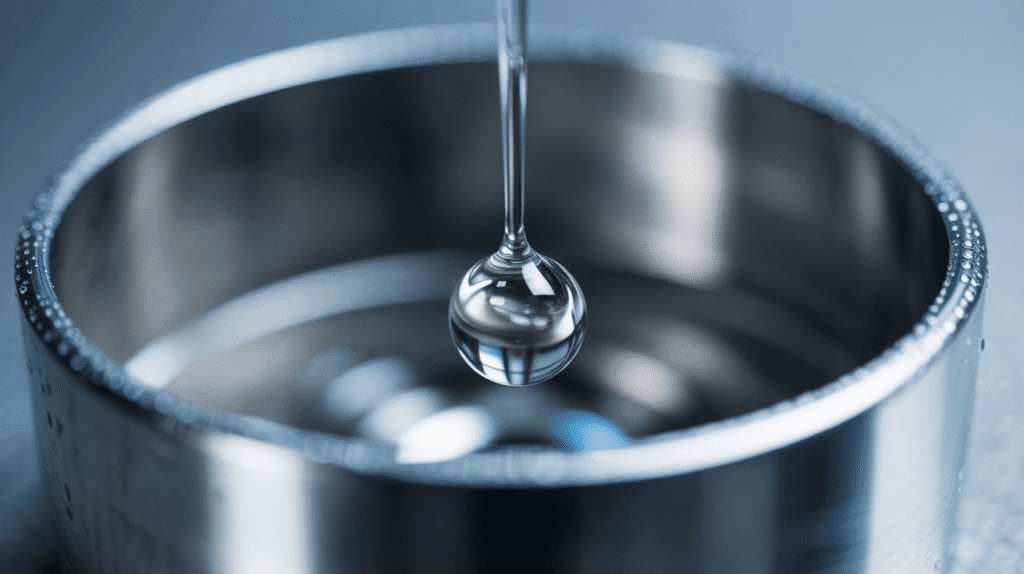
A Drop of Water Through a Water Treatment Plant
Every time you turn on the tap to pour a glass of water, you're connecting with a vast and intricate system that ensures what you drink is clean and safe. Water treatment is a remarkable process that transforms natural water—often full of impurities—into a vital resource we rely on daily. Let’s follow the journey of a single drop of water through a modern water treatment plant.
The Source: Where It All Begins
Our water drop begins its journey in nature, sourced from rivers, lakes, reservoirs, underground aquifers, or even the sea. This raw water contains various impurities like sediment, bacteria, algae, and organic matter. The first step is transporting it from the source to a treatment facility for purification.
Coagulation and Flocculation: Binding the Impurities
Upon arrival at the treatment plant, the water undergoes coagulation. Chemicals called coagulants are added, causing small particles to clump together into larger masses called floc. This process makes it easier to separate out the impurities in the next stage.
Sedimentation: Letting the Heavy Stuff Settle
The water flows into sedimentation tanks where gravity takes over. The floc, now heavier, settles at the bottom of the tank, forming a sludge. The clearer water at the top continues to the next phase of treatment.
Filtration: Polishing the Purity
Next, the water passes through layers of sand, gravel, or other filtration media. This stage removes remaining particles, microbes, and other small contaminants. By the end of filtration, the water is visibly clean and ready for final safety measures.
Disinfection: Ensuring Safety
To kill any remaining harmful microorganisms, the filtered water is disinfected. Chlorine is most commonly used, although some systems use UV light or ozone. This crucial step ensures the water is safe for human use and consumption.
Distribution: From Plant to Tap
Once disinfected, the treated water is stored in reservoirs or water towers, then pumped through an extensive network of pipes. This distribution system delivers clean, pressurized water to homes, schools, businesses, and hospitals—right to your tap.
Challenges in Water Treatment
Even with advanced treatment technologies, challenges persist. Aging infrastructure, pollution of water sources, population growth, and climate change can strain water treatment systems. Ongoing investment and innovation are essential for sustainability and reliability.
Your Role in Protecting Water Quality
We all have a part to play in keeping our water clean:
- Conserve Water: Be mindful of usage to reduce demand on treatment facilities.
- Proper Disposal: Never dump chemicals, paints, or medications down drains or toilets.
- Support Infrastructure: Advocate for investment in water systems and pollution prevention programs.
- Stay Informed: Learn about your local water sources and treatment standards.
Conclusion
The drop of water in your glass has traveled a long and carefully managed path to get there. From source to treatment to distribution, it’s the result of engineering excellence, environmental stewardship, and community collaboration. The next time you take a sip, take a moment to appreciate the complex journey behind that clear, life-sustaining drop of water.